

Adding help to an editor feels like an obvious win. Suggestions appear, the user picks one, and the work goes faster. A 2019 evaluation of a concept map authoring tool complicates that assumption in a useful way.
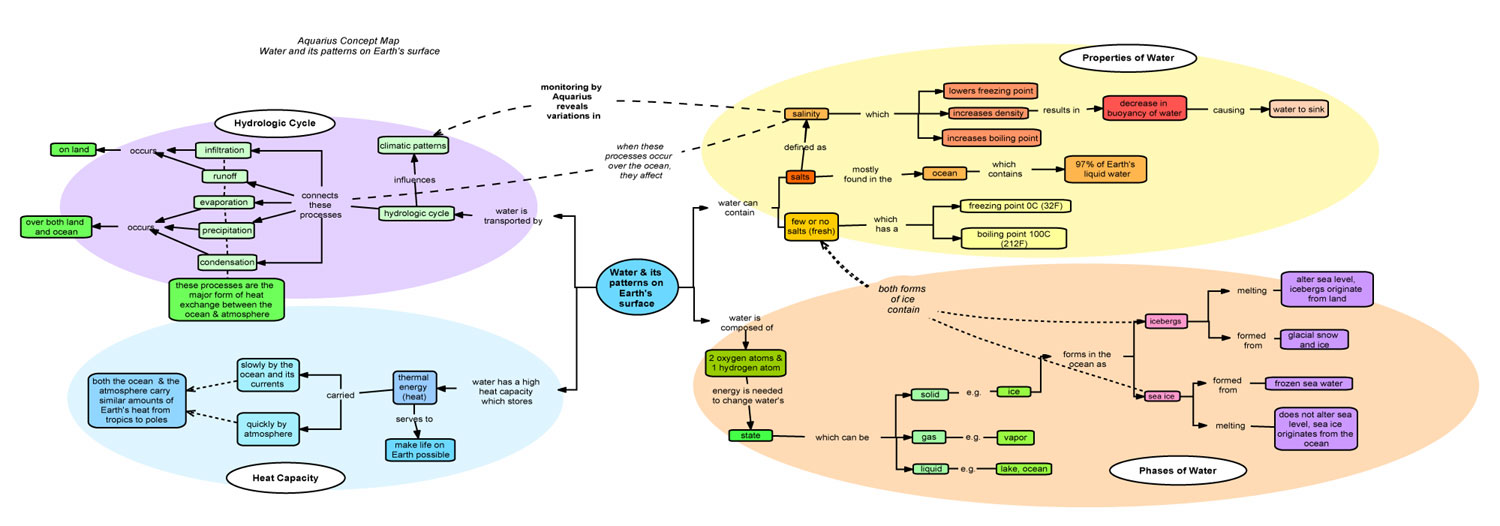
The tool helps students build Kit Build maps, where concepts and linking phrases arrive as separate pieces. One version added suggestions: keywords and candidate propositions drawn from the reading being studied.
The evaluation used the short User Experience Questionnaire, which keeps pragmatic and hedonic quality on separate scales. Pragmatic covers the practical side, such as whether a tool feels efficient and predictable. Hedonic covers whether it feels stimulating.

Both versions scored positively overall. The supported version scored higher on the hedonic side, which fits the intuition that suggestions make the activity feel more alive and less like filling in blanks.
Pragmatically it was not consistently ahead. Suggestions introduce choices, and choices cost attention. In the middle of a thought about two concepts, a list of candidate phrases may help or may interrupt.
For anyone designing a learning tool, the lesson is to test the two halves separately. A better hedonic score is a real gain, since students who enjoy the activity stay with it, but it does not excuse a slower workflow.
The open question is timing. Suggestions offered at the moment of a decision can be valuable, while the same suggestions parked on screen as a constant panel may only add noise.
Pinandito et al. (2019). User Experience Evaluation on Computer-Supported Concept Map Authoring Tool of Kit-Build Concept Map Framework. 2019 International Conference on Sustainable Information Engineering and Technology (SIET).

