
A recommendation is only as good as the preferences it was given. An Android system turned that into a series of small choices.

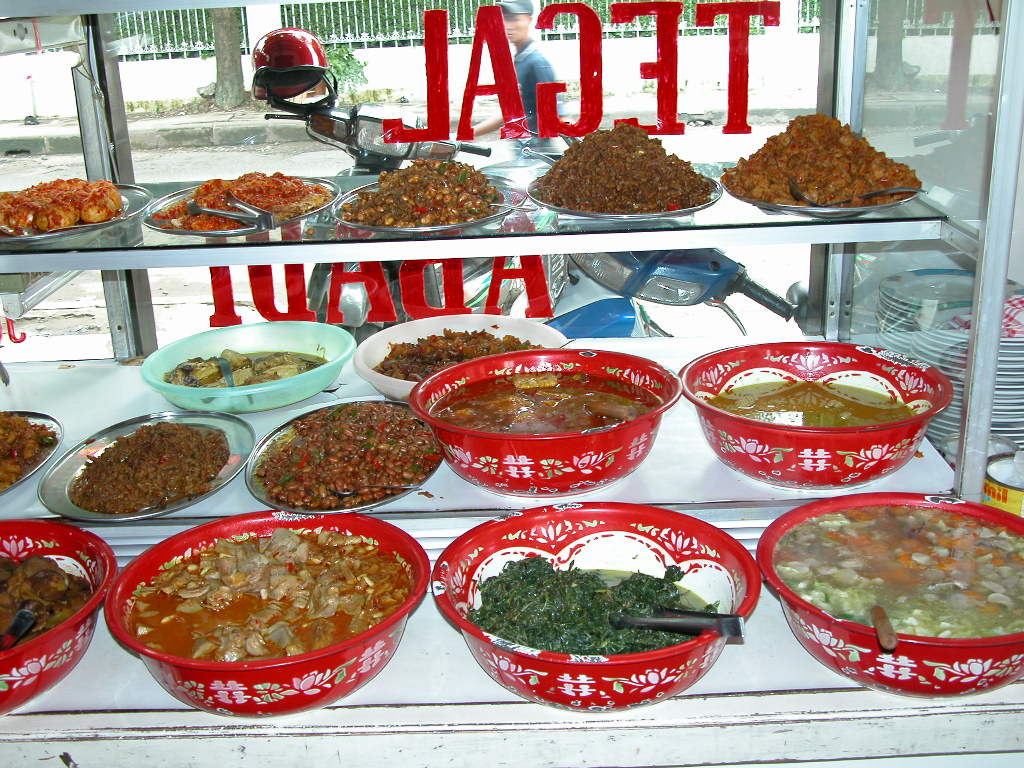
Two people can stand in front of the same row of food stalls and disagree completely. One weighs price above everything. The other will walk twenty minutes for a better bowl. Neither is wrong, and no single rating captures both.
That is the design problem behind culinary recommendation systems. Collecting data about restaurants is straightforward. Learning what a particular person actually values is the part that decides whether the recommendation feels useful or random.
A Universitas Brawijaya team built an Android application around the Analytical Hierarchy Process, and the interesting choice is how it asks. Rather than requesting a score out of ten for price, it asks which of two criteria matters more and by how much.
Comparisons are easier to answer honestly, and they carry more information than a flat rating. They also give the method something to check. A contradictory set of answers gets flagged as inconsistent, which is a signal that the questions need revisiting rather than that the user is being difficult.

The follow-up work from the same group makes the difficulty plain. When AHP and hybrid versions were compared for mobile culinary recommendation, agreement with expert choices stayed modest, with the fuzzy variant doing best. Structured questioning helps, but taste resists being reduced to numbers.
Aryo Pinandito, Chandrawati Putri Wulandari and Ratih Kartika Dewi (2015). Culinary Recommendation Systems Using Analytical Hierarchy Process on Google Android Platform. International Conference on Engineering and Information Technology (ICEIT).

