
A study with 55 university students compared free-form extension with rebuilding the teacher's map first.

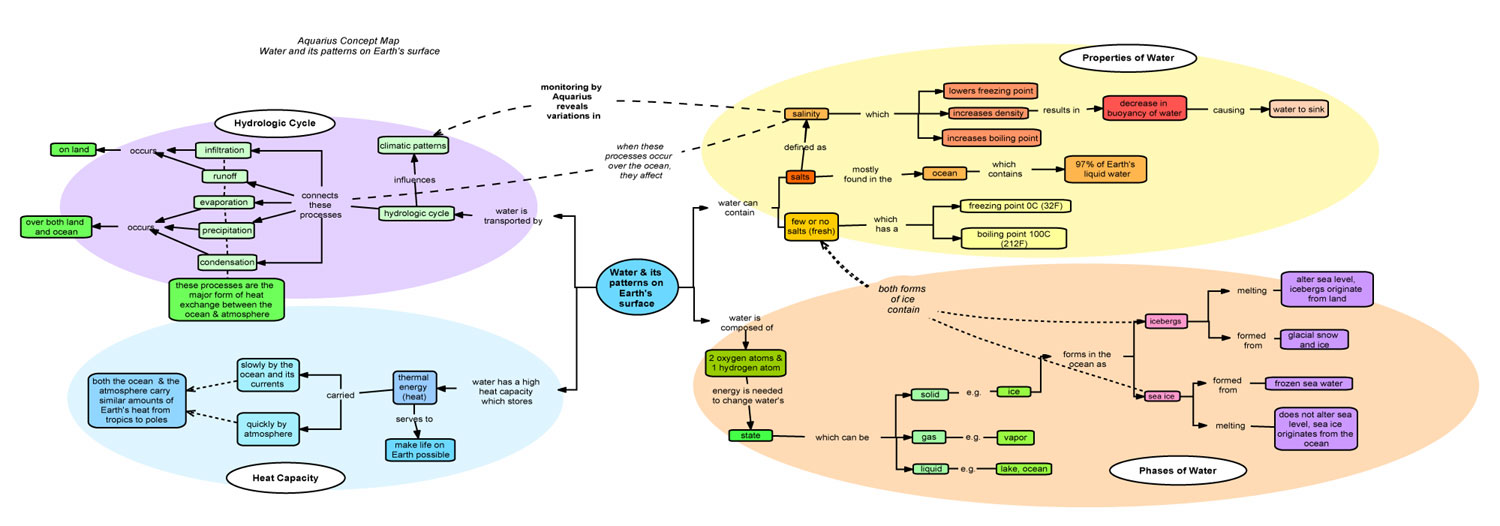
A concept map draws what a student understands. Ideas sit in nodes, labelled lines connect them, and each connected pair is a proposition, the smallest unit of meaning in the map. Count the propositions and you get a rough measure of how much the student knows.
A question follows from that. If one map holds more propositions than another, is it better? A study from Hiroshima University, Universitas Negeri Malang and Universitas Brawijaya tested this with two ways of extending a concept map.
The Extended Scratch-Build approach stays open-ended. Students add concepts, links and examples however they like. The Extended Kit-Build approach starts from a closed set of components. Students recompose the teacher's map first, then extend it with their own additions on top.
Fifty-five second-year university students took part, split into a control group using the scratch-build tool and an experimental group using the kit-build one. A pretest confirmed the two groups started level.

The original maps from both groups looked much the same, which suggests neither group had an early advantage. The difference appeared in the extension step, where the kit-build students had to reason about how new material attaches to a structure they had already rebuilt.
Prasetya et al. (2022). Analysis of quality of knowledge structure and students' perceptions in extension concept mapping. Research and Practice in Technology Enhanced Learning, 17(14).

